

3 Reasons to Use Wax On Your Wooden Beehive
UPDATED FEBRUARY 2026
There are an estimated 125,000 beekeepers in the U.S. many of whom use beekeeping wax to protect wooden hive boxes from moisture and environmental damage. Applying a wax coating helps preserve the wood, extend hive lifespan, and create a more natural environment for your colony. Keep reading to learn three key reasons why wax for beehives remains a trusted protective solution.
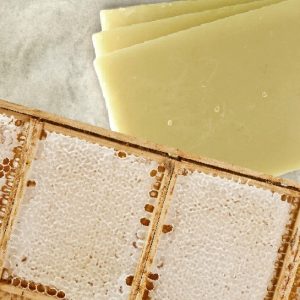
Top 3 Reasons for Using Wax to Protect Beehives
If you’re thinking about coating your beehive, consider these top three reasons for using wax as your coating material:
1. Wax for Beehives Reduces Chemical Exposure
Wax for beehives is typically formulated as a blend of paraffin wax and microcrystalline wax designed specifically for wooden hive protection. . Paraffin wax is a petroleum wax derived from crude oil. It is a versatile wax type that is colorless and odorless. Microcrystalline wax is another petroleum wax derived from crude oil. It is flexible and acts as a binder to stick to the wooden hive.
Compared to many paints and stains, wax coatings avoid strong solvent odors and eliminate the need for long curing periods before introducing bees to the hive.
Although paint and stain can do a decent job of protecting a beehive from the elements, these manufactured products may expose your bees to strong chemicals, which can be detrimental to their well-being.
2. Wax for Beehives Increases Protection
Using wax for beehives helps preserve wooden hive components while providing a durable barrier against moisture and environmental stress. Protecting bees from disease is very important since many bee colonies are starting to die off. Bees are also more likely to accept a wax-coated hive than a painted or stained hive.
Using wax is also a sustainable and reliable way to give your beehive a protective coating. A wax coating can withstand rain, sun and snow to preserve the wood below. Preserving the wood adds an extra layer of protection from environmental factors that can damage the hive and cause it to rot. Rotting hives are hazardous to bees because it exposes the hive to weather.
3. Wax for Beehives Enhances Appearance
A beehive with a wax coating will look similar to a stained hive, with its beautiful, golden sheen. A wax coating will give the wood a subtle glow that makes for an extremely attractive beehive. As a bonus, the beeswax will have a slightly sweet, pleasant smell that both you and your bees will enjoy.
How to Apply Wax for Beehives
Applying wax for beehives through a dipping process ensures deep penetration and long-term durability, and it’s an easy process. All you have to do is follow these simple steps:
- Heat up your wax in a stainless steel tank to about 225 degrees Fahrenheit.
- Use a thermometer to take its temperature.
- If the wax is hot enough, gently lower your wooden beehive components into the wax.
- Place heavy objects onto the beehive to keep it weighed down in the wax.
- Set a timer for 10-15 minutes.
- After the timer goes off, carefully remove the beehive from the wax and allow it to drip dry.
- If you plan on painting your wax-dipped wood, paint it while it is still hot because the paint will adhere to the wood better.
For more information, this video has in-depth, step-by-step instructions for how to coat wooden hives.
What Is Wax Dipping for Beehives?
Wax dipping is one of the most effective methods for applying wax for beehives because it allows molten wax to fully penetrate wooden hive components.
It’s a method of coating a beehive in wax by submerging the various beehive components into hot molten wax. While the term “dip” usually refers to a brief immersion into liquid, the beehive pieces must be placed in the melted wax for up to 15 minutes. Dipping the beehive parts for this long allows the wood to get heated and dry out so that the hot wax can seep in and replace any moisture in the timber.
The secret to a successful wax dipping session is getting the molten wax as hot as possible without exceeding any safety limits. The wooden beehive components getting dipped into the wax should also be well-heated to allow for maximum penetration of the molten wax into the wood. Heating the beehive parts to the same temperature as the wax is crucial for drying out the wood and enabling the wax to permeate it.
Because wax dipping requires heating wax to its flash point, make sure you take the proper safety measures, including wearing long sleeves, protective goggles and welding gloves. Also, have a fire extinguisher on hand.
Why Wax for Beehives Is Preferred Over Paint?
Many beekeepers choose wax for beehives instead of paint because wax:
- Penetrates wood fibers rather than forming a surface film
- Does not require extended curing time
- Covers joints and seams more thoroughly
- Allows hive components to be used shortly after dipping
This makes wax coating for beehives especially attractive for commercial operations and serious hobbyists.

Why Try Wax Dipping?
Wondering what the big deal about wax dipping is? Check out these top benefits of wax dipping:
- The wax covers all surfaces, both inside and out.
- Any moisture, air or sap in the hive’s timber gets replaced by molten wax, providing protection for wooden beehives.
- Molten wax can penetrate the joints, repaired sections and other difficult-to-reach surfaces of the box that paint typically doesn’t cover.
- The beehive components can be used within about 15 minutes of getting dipped.
Wax for Beehives FAQs
What is the best wax for beehives?
A paraffin and microcrystalline blend is commonly used for hot dipping wooden hive components.
Is wax dipping better than painting a hive?
Wax dipping penetrates wood fibers and typically provides deeper protection than surface-level paint coatings.
How long does wax for beehives last?
When properly applied, wax coatings can protect hive boxes for many seasons depending on climate conditions.
Can I apply wax without dipping?
While brushing is possible, dipping provides more consistent penetration and coverage.
Get Your Beehive Wax From Blended Waxes
Blended Waxes has its own specialty blend of paraffin wax and microcrystalline wax made just for coating your wooden beehives. You can learn more about our Beehive Wax here.